
Cloud gaming promises a future where high-end gaming experiences are accessible to anyone with a stable internet connection, regardless of their hardware. As technology advances and infrastructure improves, this vision is becoming increasingly realistic. Let's explore where cloud gaming stands today and what the future holds.
The Current State of Cloud Gaming
Cloud gaming has matured significantly since its early experimental days. Major platforms like Xbox Cloud Gaming, NVIDIA GeForce NOW, PlayStation Plus Premium, and Amazon Luna offer extensive game libraries accessible through various devices. The technology has reached a point where many players report experiences comparable to local gaming, particularly for single-player and casual titles.
Internet infrastructure improvements have been crucial to this progress. The rollout of 5G networks and increasing broadband speeds have reduced the latency issues that plagued early cloud gaming attempts. While challenges remain, especially in regions with limited connectivity, the technology is becoming viable for a growing number of players worldwide.
Technical Innovations Driving Progress
Several technological advances are pushing cloud gaming forward. Adaptive bitrate streaming adjusts video quality in real-time based on connection stability, maintaining playability even when bandwidth fluctuates. Advanced compression algorithms deliver better visual quality with less data, making high-resolution gaming feasible on modest connections.
Edge computing represents perhaps the most significant breakthrough. By processing games on servers closer to users rather than in distant data centers, edge computing dramatically reduces latency. This distributed approach is making cloud gaming responsive enough for fast-paced competitive titles.
Predictive input processing is another fascinating development. These systems anticipate player actions and begin processing them before confirmation arrives from the user's device, effectively masking latency. While controversial in competitive gaming, this technology can make cloud-streamed games feel remarkably responsive.
Breaking Down Platform Barriers
Cloud gaming is democratizing access to high-end gaming experiences. A smartphone, tablet, or basic laptop can stream games that would normally require expensive gaming hardware. This accessibility could dramatically expand the gaming audience, bringing AAA experiences to players who couldn't previously afford or justify the hardware investment.
Cross-device continuity is becoming seamless. Start playing on your TV, continue on your phone during your commute, and finish on your tablet in bed. Your progress syncs automatically across all devices. This flexibility fundamentally changes how and when people can game.
The environmental implications are worth considering too. Rather than millions of power-hungry gaming systems running in homes, cloud gaming concentrates computing resources in efficient data centers. While data transmission consumes energy, the overall environmental impact might be lower than traditional gaming hardware.
Business Model Evolution
Cloud gaming is reshaping gaming economics. Subscription models provide access to large game libraries for predictable monthly fees, similar to video streaming services. This approach lowers the barrier to trying new games, potentially benefiting both players and developers.
For developers, cloud gaming offers interesting possibilities. Game streaming eliminates piracy concerns and enables new monetization approaches. Games could be designed specifically for cloud delivery, with features impossible on traditional hardware. However, revenue sharing arrangements and the sustainability of subscription-based economics remain topics of debate.
The used game market and game ownership are affected too. Cloud gaming typically involves renting access rather than owning games. This shift raises questions about long-term game preservation and player rights that the industry is still addressing.
Performance Considerations
Latency remains cloud gaming's primary challenge. While improvements have been dramatic, competitive players can still detect the delay between input and on-screen action. For esports and twitch-reflex games, local processing currently maintains an advantage.
Visual quality has improved substantially, with many services now offering 4K streaming. However, compression artifacts are sometimes visible, particularly during fast motion or complex scenes. Bandwidth requirements for high-quality streaming remain substantial, limiting accessibility in regions with data caps or metered connections.
Different game genres suit cloud gaming differently. Turn-based strategy games and slower-paced adventures work excellently. Fast-paced shooters and fighting games where frame-perfect timing matters remain challenging. As technology improves, this gap narrows, but it hasn't disappeared entirely.
Infrastructure Requirements
The growth of cloud gaming depends heavily on internet infrastructure development. While major cities in developed countries typically have adequate connectivity, rural areas and developing regions often lack the necessary bandwidth and stability.
Data center expansion is critical too. Services need servers located near users to minimize latency. This requires significant investment from cloud gaming providers and cooperation from regional data center operators. The geographic distribution of computing resources will largely determine where cloud gaming becomes viable.
Network neutrality issues could affect cloud gaming significantly. If internet service providers prioritize certain traffic or implement strict data caps, cloud gaming's accessibility and performance could suffer. Policy and regulatory decisions will play important roles in the technology's future.
Social and Cultural Impacts
Cloud gaming could reshape gaming culture significantly. Lower barriers to entry might diversify gaming audiences, bringing in players who never considered gaming due to cost or complexity. This demographic expansion could influence the types of games developers create.
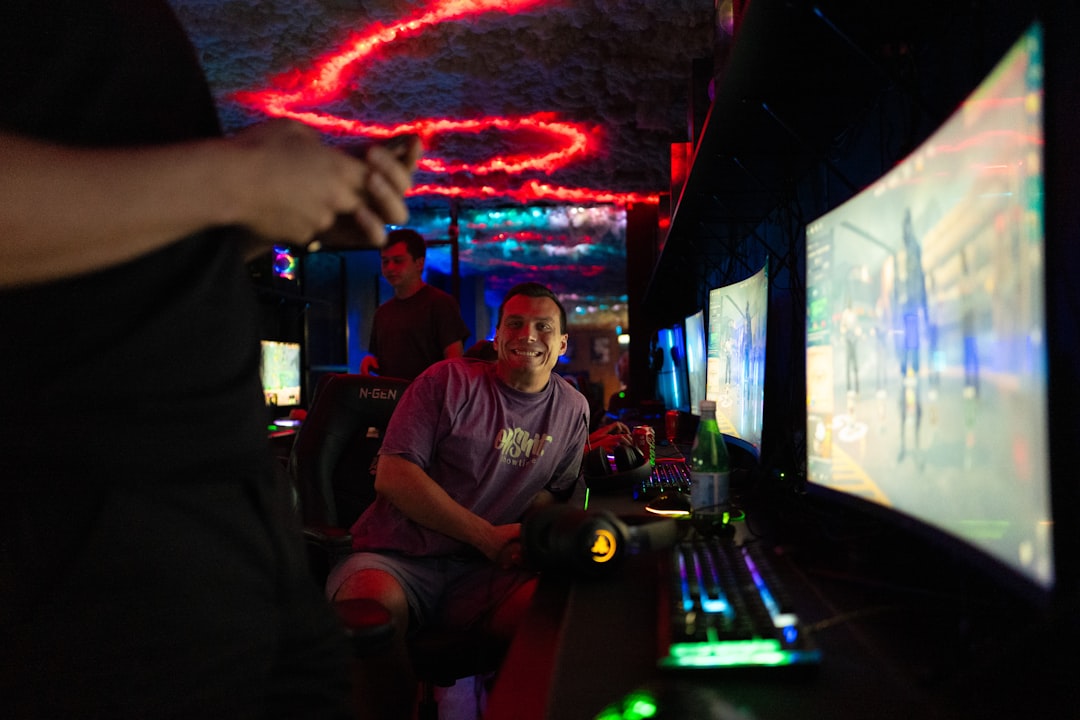
Gaming cafes and public gaming spaces might experience a renaissance. When you can access your entire game library from any device, gaming at cafes, libraries, or dedicated gaming lounges becomes more attractive. This could restore some of the social aspects of gaming that online play has diminished.
Content creation and streaming might become more accessible too. Cloud gaming services could integrate recording and broadcasting features directly, enabling anyone to share their gameplay without additional hardware or software.
Challenges and Concerns
Not everyone is enthusiastic about cloud gaming's rise. Concerns about game preservation are valid; when games exist only on company servers, what happens when services shut down? Will classic games remain accessible decades from now, or will they vanish when their servers go offline?
Privacy and data collection raise questions too. Cloud gaming requires constant communication between user devices and servers, generating substantial data about playing habits, preferences, and behavior. How companies use this information and protect user privacy remains crucial.
Internet connectivity reliability varies globally. Cloud gaming's dependence on constant, stable connections makes it unsuitable for players with unreliable internet. This creates a digital divide where cloud gaming's benefits accrue primarily to those already well-connected.
Looking Ahead
The next few years will be critical for cloud gaming's trajectory. Continued infrastructure improvements, technological refinements, and compelling exclusive content will determine whether cloud gaming becomes mainstream or remains a niche alternative.
We might see hybrid approaches gain popularity, combining local processing for latency-sensitive tasks with cloud computing for heavy graphical work. This could offer the best of both worlds, maintaining responsiveness while reducing hardware requirements.
Artificial intelligence will likely play an increasing role, optimizing streaming quality, predicting network conditions, and enhancing visual quality through upscaling. AI could also enable more sophisticated compression techniques that maintain quality while reducing bandwidth requirements.
Conclusion
Cloud gaming represents a significant evolution in how we access and experience games. While challenges remain, the technology's trajectory is clear: cloud gaming is becoming increasingly viable and attractive. Whether it will fully replace traditional gaming hardware or coexist alongside it remains to be seen.
For players, cloud gaming offers exciting possibilities for accessibility, convenience, and flexibility. For the industry, it represents new business models, distribution methods, and creative opportunities. As technology continues advancing and infrastructure improves, cloud gaming's role in the gaming landscape will only grow more significant.
The future of gaming likely includes both traditional and cloud-based experiences, each serving different needs and preferences. Rather than replacing existing gaming methods, cloud gaming expands options, making gaming more accessible and flexible than ever before.