The debate between console and PC gaming has raged for decades, and in 2025, both platforms have never been stronger. With powerful new hardware, expanding game libraries, and evolving business models, choosing your gaming platform requires careful consideration of your priorities, budget, and gaming preferences.
The Current State of Gaming Hardware
The latest generation of consoles delivers impressive performance at competitive price points. The PlayStation 5 Pro and Xbox Series X have matured significantly since launch, with refined hardware revisions and robust game libraries. Meanwhile, PC gaming continues to push technical boundaries with high-end graphics cards and processors that exceed console capabilities.
However, the gap between platforms has narrowed considerably. Modern consoles target 4K resolution at 60fps or higher, with ray tracing support becoming standard. PC still holds the performance crown for those willing to invest, but the difference isn't as dramatic as in previous generations.
Cost Considerations
Initial investment remains a significant factor. A current-generation console costs between $400-500, while a gaming PC with comparable performance starts around $800-1000. However, this comparison becomes more nuanced when considering the total cost of ownership.
Console games typically retail at premium prices, though subscription services like PlayStation Plus and Xbox Game Pass offer excellent value. PC games often launch at lower prices and see deeper discounts during seasonal sales. Additionally, PC components can be upgraded incrementally, potentially extending the system's lifespan.
The rise of digital storefronts and regular sales has made PC gaming more cost-effective for patient gamers. Services like Steam, Epic Games Store, and GOG frequently offer significant discounts, and backwards compatibility means your game library remains accessible across hardware upgrades.
Game Libraries and Exclusives
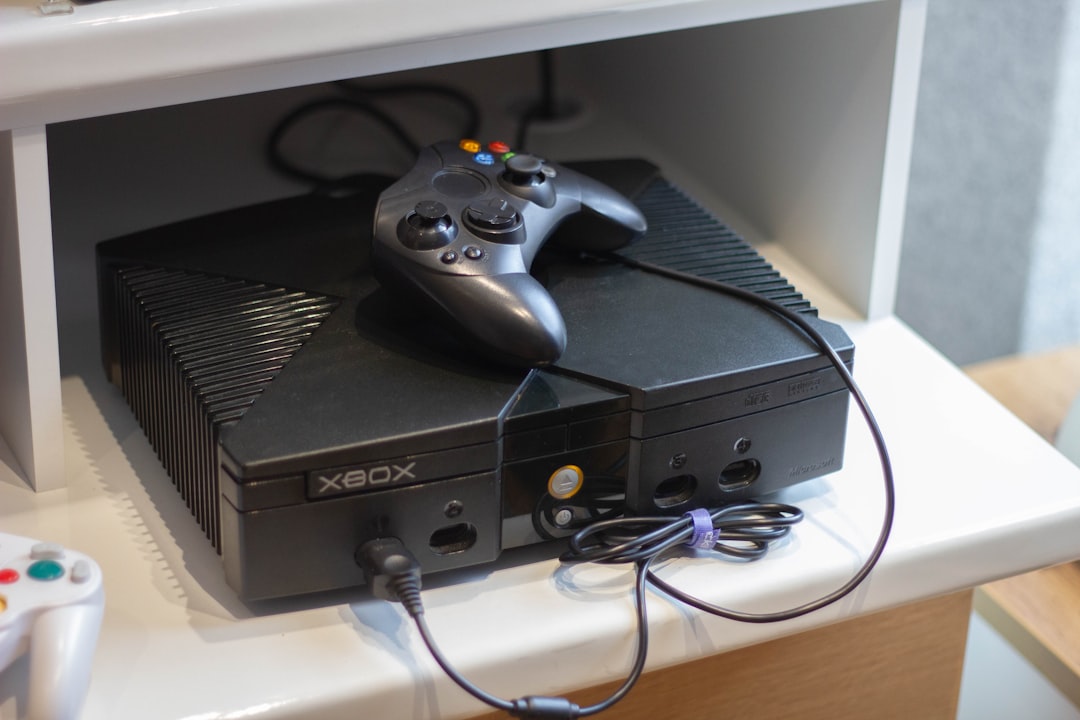
Exclusive titles continue to influence platform choice. PlayStation boasts critically acclaimed franchises that can't be played elsewhere at launch. Xbox has shifted toward a multi-platform strategy, with most exclusives eventually coming to PC through Xbox Game Pass.
Nintendo remains the strongest argument for console ownership purely based on exclusive content. Their first-party titles rarely appear on other platforms, and the unique Switch form factor enables gaming experiences unavailable elsewhere.
PC's library advantages include backwards compatibility spanning decades, massive indie game selection, and access to genres like complex strategy games and simulation titles that work better with keyboard and mouse controls. Additionally, many older console exclusives eventually make their way to PC.
Performance and Visual Fidelity
For players who prioritize cutting-edge graphics and maximum frame rates, PC maintains its advantage. High-end gaming PCs can push beyond 4K resolution at frame rates exceeding 144fps, though achieving this requires significant investment.
Consoles offer a more balanced approach, targeting performance metrics that deliver excellent experiences without requiring technical knowledge. You don't need to worry about driver updates, graphics settings optimization, or hardware compatibility. Everything simply works out of the box.
The reality is that for most players, modern consoles deliver visually stunning experiences that differ from high-end PCs primarily in specific metrics like frame rate and resolution rather than overall visual quality. Diminishing returns mean the gap is less noticeable than raw specifications suggest.
Convenience and User Experience
Console gaming prioritizes simplicity and convenience. Turn on the system, and you're gaming within seconds. No driver updates, no compatibility concerns, no tweaking settings. This plug-and-play experience remains consoles' strongest selling point for many players.
PC gaming has become significantly more user-friendly than in the past, but it still requires more technical knowledge. You might need to adjust graphics settings, update drivers, or troubleshoot occasional compatibility issues. For tech-savvy users, this control is empowering; for others, it's an unwelcome hassle.
Modern consoles integrate seamlessly with living room entertainment setups. Their optimized operating systems prioritize gaming performance, and features like quick resume enhance convenience. Meanwhile, PCs offer flexibility for multitasking, productivity, and customization that extends beyond gaming.
Online Gaming and Community
Both platforms offer robust online gaming experiences, though with different approaches. Console online services require subscriptions but include free monthly games and exclusive discounts. PC online gaming is generally free, except for specific MMOs and online games with their own subscription models.
Cross-platform play has become increasingly common, reducing the importance of choosing platforms based on where friends play. However, some competitive communities remain platform-specific, particularly in fighting games and certain shooters.
Communication and social features vary by platform. PC offers more flexibility with third-party voice chat applications like Discord, while consoles provide integrated party systems that work across all games seamlessly.
Customization and Upgradability
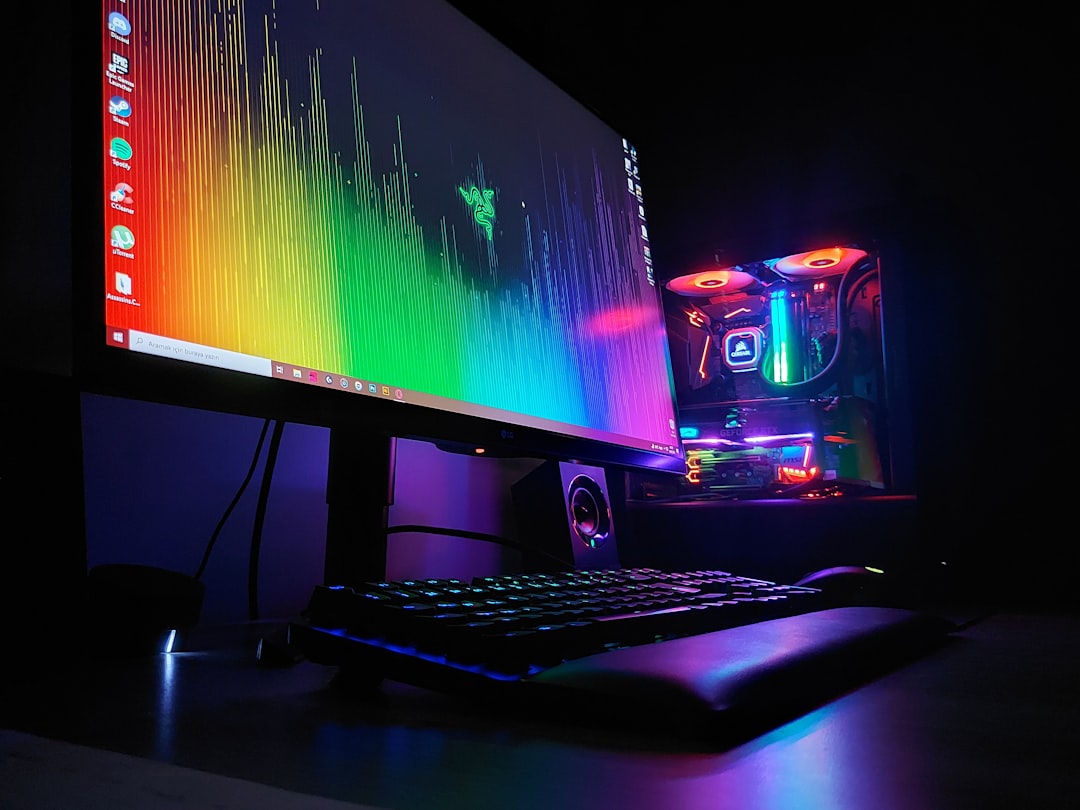
PC's greatest advantage lies in customization potential. Players can upgrade individual components, customize peripherals, and modify game files. This flexibility appeals to enthusiasts who enjoy fine-tuning their experience.
Consoles offer limited customization, primarily through external storage expansion and accessory choices. However, this standardization ensures consistent performance across all games and eliminates potential technical complications from mismatched components.
The upgradeability factor means a gaming PC can evolve over time. Start with a mid-range build and gradually upgrade components as budget allows. Consoles require complete system replacement to access next-generation capabilities, though backwards compatibility mitigates this somewhat.
Input Methods and Ergonomics
Controller versus keyboard and mouse remains a personal preference, but it significantly impacts certain genres. First-person shooters and real-time strategy games typically play better with keyboard and mouse, while action games, fighting games, and racing titles often feel more natural with controllers.
The good news is that both platforms now support multiple input methods. Most PC games work great with controllers, and several consoles support keyboard and mouse for select titles. This flexibility means input preference need not dictate platform choice.
The Hybrid Approach
Many gamers are adopting a hybrid approach, owning multiple platforms to maximize game access and experience variety. A mid-range gaming PC paired with a Nintendo Switch, for example, covers nearly all gaming possibilities while managing costs effectively.
Cloud gaming services are also blurring platform lines. Services like Xbox Cloud Gaming and NVIDIA GeForce Now allow playing high-end titles on modest hardware, potentially reducing the need for expensive gaming-specific machines.
Making Your Decision
The right platform depends entirely on your priorities. Choose consoles if you value simplicity, exclusive titles, and living room gaming. Opt for PC if you prioritize performance, customization, and a vast game library with better long-term value.
Consider your budget not just for initial purchase but for games and online services. Think about where your friends play if multiplayer gaming matters to you. Evaluate which exclusive titles you can't live without.
Conclusion
In 2025, there's no wrong choice between console and PC gaming. Both platforms deliver excellent experiences with their own strengths and compromises. The gap between them continues narrowing as technology advances and cross-platform initiatives expand.
Rather than declaring a winner, recognize that different platforms serve different needs. The best gaming platform is the one that aligns with your preferences, budget, and lifestyle. Whether you choose console, PC, or embrace both, you'll have access to incredible gaming experiences that continue pushing the medium forward.